



Is Cancer Affecting Your Body? 10 Signs to Watch and What to Do
-
ihs shop manager
- Posted on
- 0 comments
What is cancer?
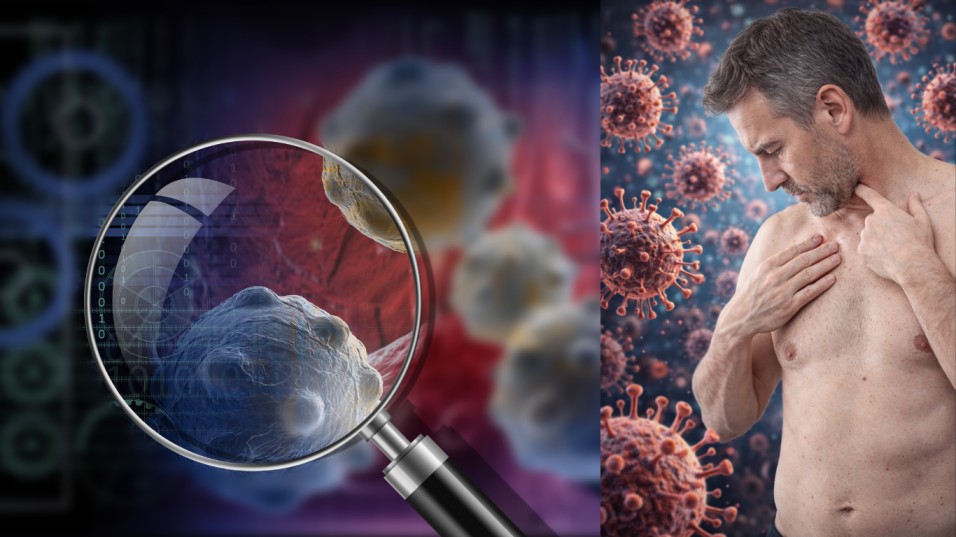
Cancer is a condition where some cells in the body start to grow in a way that is not normal. Usually, cells grow and divide to make new cells when the body needs them. When cells get old or damaged, they die, and new cells take their place. But with cancer, this process breaks down. The damaged cells stay alive when they should die, and new cells form when the body does not need them. These extra cells can divide without stopping and may form growths called tumors.
Different Types of Cancer
There are many different types of cancer because it can start almost anywhere in the human body.
Breast Cancer This starts in the cells of the breast. It is very common and can happen to both women and men, though it is much more common in women. It often begins in the tubes that carry milk to the nipple.
Mouth Cancer This type of cancer develops in any part of the mouth. It can be on the lips, the tongue, or the inside of the cheeks. It is often linked to smoking or chewing tobacco.
Blood Cancer This is also called leukemia. It affects the production and function of your blood cells. Most of these cancers start in the bone marrow, where blood is made. In this case, the body produces too many abnormal white blood cells that cannot fight infections.
Lung Cancer This starts in the lungs and is often found in people who smoke, but people who have never smoked can also get it. It makes breathing very difficult as the cancer grows.
Skin Cancer This is the abnormal growth of skin cells. It usually develops on skin that is exposed to the sun, but it can also occur on areas of your skin not ordinarily exposed to sunlight.
10 Common Symptoms and Solutions
Knowing the signs is very important so that you can get help early. Here are ten signs to watch for and what you can do about them.
- Unusual Lumps or Swelling If you feel a hard lump under the skin that was not there before, it could be a sign. This is common in breast or testicular cancer.
- Solution: You should visit a doctor immediately for a scan. Early detection through regular self-exams helps a lot.
- A Cough That Does Not Go Away If you have a cough that lasts for more than three weeks and you are not sick with a cold, it might be a sign of lung cancer.
- Solution: Stop smoking if you do and see a lung specialist for an X-ray to check your chest.
- Changes in Bowel Habits If you see blood in your poop or if you have diarrhea or constipation for a long time without a reason, it could be related to colon cancer.
- Solution: Eat more fiber and drink plenty of water and ask a doctor for a test called a colonoscopy.
- Unexplained Weight Loss Losing ten pounds or more for no reason is often one of the first signs of cancer in the stomach or pancreas.
- Solution: Keep a diary of what you eat and show it to your doctor so they can check your internal organs.
- Constant Tiredness This is not just normal tired feeling after work. This is a deep exhaustion that does not get better with rest. It happens because cancer uses the body’s nutrients to grow.
- Solution: Get blood tests to check your iron levels and see if there are abnormal cells in your blood.
- Skin Changes A mole that changes color or shape or a sore that does not heal can be a sign of skin cancer.
- Solution: Use sunscreen every day and have a skin specialist look at any marks that look different or start to bleed.
- Pain That Does Not Stop Pain is a way the body says something is wrong. If you have a headache that never goes away or back pain that gets worse, it could be a sign.
- Solution: Do not just take pain killers every day because that hides the problem. Talk to a professional to find the root cause.
- Heavy Night Sweats Waking up in the middle of the night soaked in sweat can be a sign of lymphoma or blood cancer.
- Solution: Check your temperature regularly and get a physical exam to see if your lymph nodes are swollen.
- Difficulty Swallowing If food feels like it is sticking in your throat or chest, it could be a sign of cancer in the esophagus or throat.
- Solution: Eat smaller bites of soft food and get a throat exam to see if there are any blockages.
- Unexplained Bleeding This includes coughing up blood, seeing blood in your urine, or unusual vaginal bleeding.
- Solution: This is a serious sign so you must go to the emergency room or a clinic to find out where the blood is coming from.
Types of Cancer Treatments
Doctors use different ways to treat cancer depending on the type and how much it has spread.
- Surgery: The doctor cuts out the cancer cells and the surrounding tissue. This is often the best way if the cancer is in just one spot.
- Chemotherapy: This uses strong medicines to kill cancer cells. It can shrink tumors before surgery or kill remaining cells after surgery.
- Radiation Therapy: This uses high-energy beams to kill cancer cells. It is like an X-ray but much stronger and aimed exactly at the cancer.
- Immunotherapy: This helps your own immune system fight the cancer. It teaches your body how to recognize and attack the bad cells.
- Targeted Therapy: This treatment targets the specific changes in cancer cells that help them grow and divide.
Anti-Cancer Medicines and Data
Medicines are a very big part of fighting cancer. Based on professional data, here are various medicines used in cancer therapy along with their details and common side effects.
Targeted and Hormone Therapies
- Abirapro / Abiratas (250mg/500mg): These are used for prostate cancer. They work by stopping the body from making certain hormones that help the cancer grow.
- Side Effects: These can cause swelling in the legs, low potassium levels, high blood pressure, and feeling very tired.
- Anastrozole / Armotraz / Altraz (1mg): These are used to treat breast cancer in women who have gone through menopause. They lower estrogen levels.
- Side Effects: Common issues include joint pain, hot flashes, and feeling weak.
- Glenza / Bdenza / Enzamide (40mg/80mg/160mg): Used for prostate cancer to block growth signals.
- Side Effects: These can lead to feeling very tired, back pain, or hot flashes.
- Tamtero (20mg): Blocks estrogen in breast cancer patients.
- Side Effects: Changes in the menstrual cycle and hot flashes.
Chemotherapy and Oral Medications
- Capegard / Capetero / Capsy (500mg): These are used for colon, stomach, or breast cancer.
- Side Effects: They often cause soreness on the palms and soles of the feet, diarrhea, and vomiting.
- Temoside / Temotero / Temcad (20mg to 250mg): Used primarily to treat certain types of brain cancers.
- Side Effects: Nausea, vomiting, and a feeling of tiredness.
- Cytodrox / Myelostat (500mg): Used for various blood disorders and cancers.
- Side Effects: Lowered blood cell counts and mouth sores.
- 6-MP (50mg): A chemotherapy drug often used for leukemia.
- Side Effects: Loss of appetite and increased risk of infection.
Specialized Injections and Targeted Inhibitors
- Nitib (140mg): A targeted therapy capsule.
- Side Effects: Nausea and muscle pain.
- Imanib / Imatib / Veenat (100mg/400mg): Used for blood cancer (Leukemia) and stomach tumors.
- Side Effects: Swelling around the eyes, muscle cramps, and stomach upset.
- Lenangio / Lenalid / Lenva (5mg to 25mg): Used for multiple myeloma and other blood cancers.
- Side Effects: Low white blood cell count and fatigue.
- Erlotero / Erlocip (100mg/150mg): Used for lung and pancreatic cancer.
- Side Effects: Acne-like skin rash and loss of appetite.
- Gefitero / Geffy / Geftinat (250mg): Used for lung cancer.
- Side Effects: Dry skin and diarrhea.
- Pazinib / Pazeqol (200mg/400mg): Used for kidney cancer and soft tissue sarcoma.
- Side Effects: Change in hair color and high blood pressure.
Advanced Biologics
- Vivitra / Herti / Hertraz / Canmab (150mg/440mg): These are used to treat HER2-positive cancers, such as breast cancer.
- Side Effects: Fever, chills, and sometimes heart issues if used for a long time.
- Versavo / Bevacirel / Bevatas / Bryxta (100mg/400mg): These are monoclonal antibodies that stop the blood supply to tumors.
- Side Effects: High blood pressure and nosebleeds.
Note: Taking these medicines is a big step in getting better, but because they are so strong, they affect the whole body. You should consult a doctor before taking self-medication, as these medicines contain variant chemicals and will cause heavy damage to the body. Here we provide data for knowledge purposes.